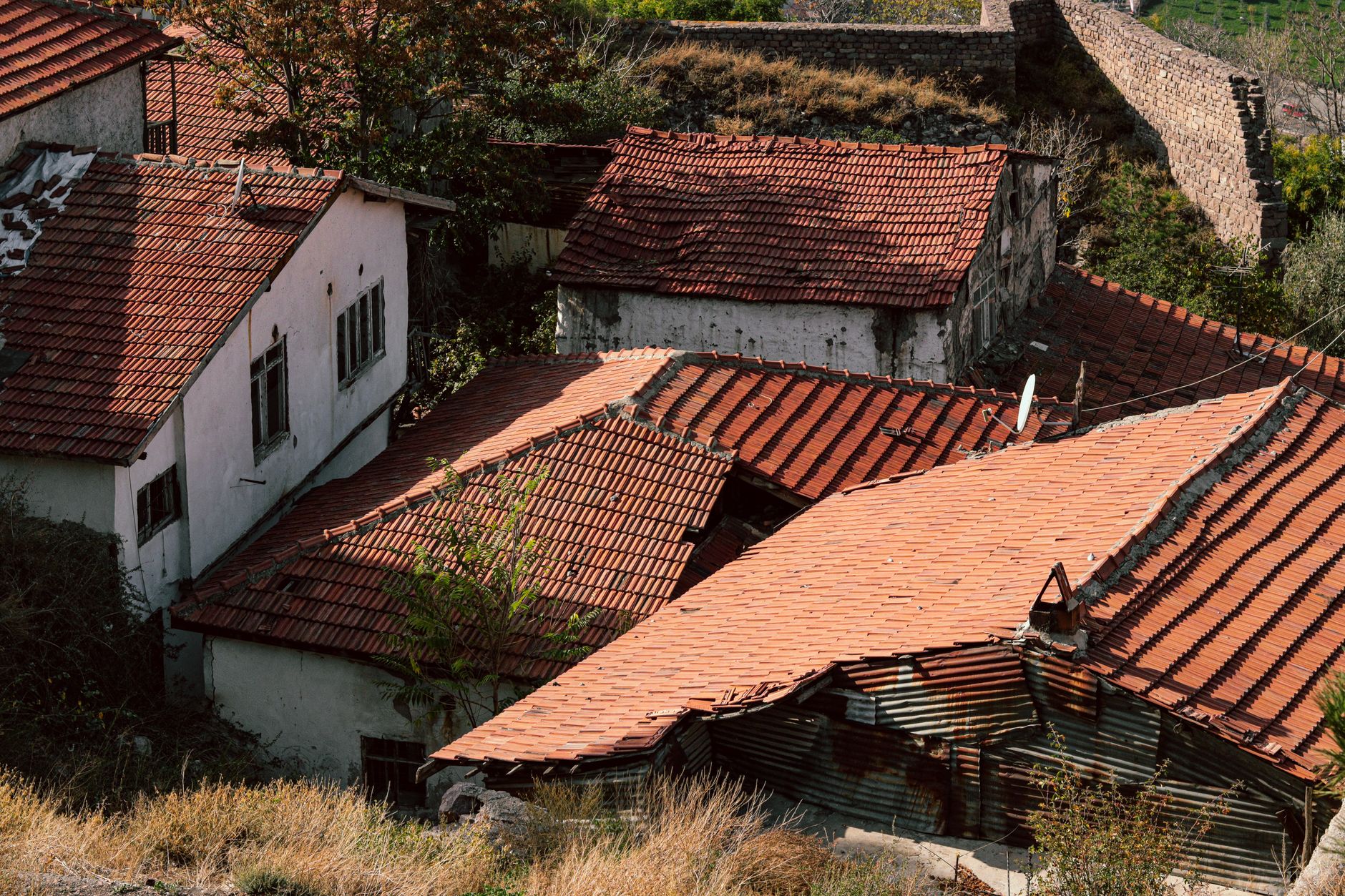
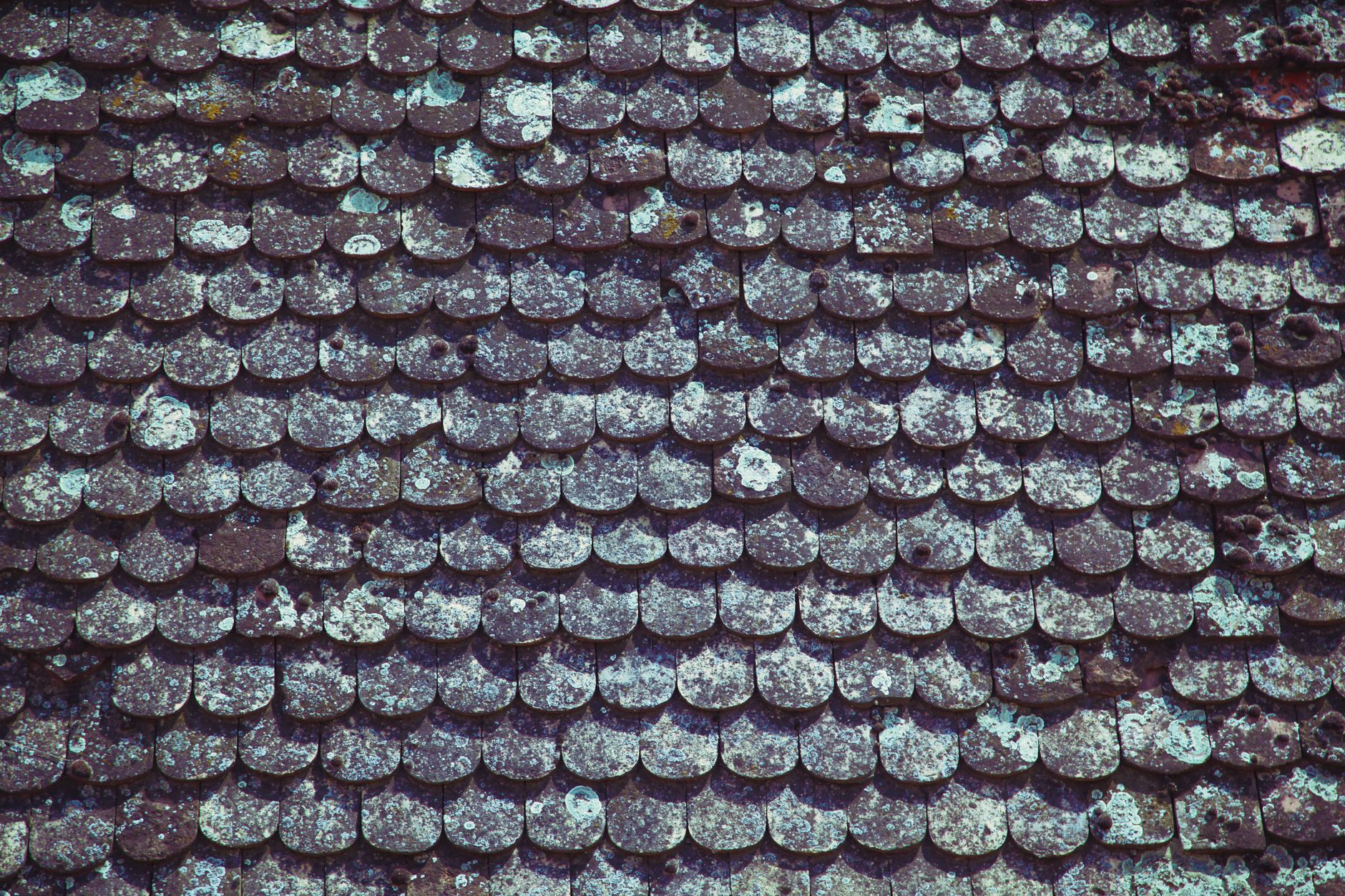
The same hailstorm crosses Allen, Prosper, Melissa, and Van Alstyne in about twenty minutes. What it leaves behind looks different in each one, because the houses underneath it were built in different decades for different reasons.
Here is what we tend to find in each.

Allen
Allen has the oldest roofs of the four in any meaningful volume. Large parts of the city were built out in the late nineties and two thousands, which means a lot of homes are on their second roof and some are approaching the end of it.
What that changes: age stacks with storm damage. A twenty-year-old roof that takes a moderate hail hit often fails in ways a newer roof shrugs off, and decking underneath older roofs is more likely to have taken on moisture already. It also means second layers are more common here than in the newer towns to the north, which matters for both cost and tear-off time.
Mature tree canopy is the other Allen factor. Overhanging limbs abrade shingles, drop debris into valleys, and keep sections of roof damp long after the rest has dried.
Prosper
Prosper is newer, larger, and steeper. A great deal of the housing stock went up in the last fifteen years, much of it two-story with complex roof geometry, multiple gables, and pitches that are not walkable.
What that changes: the roofs themselves are young, so outright age failure is rare. The problems we see are concentrated at the details rather than the field. Valleys, dead valleys where two planes meet awkwardly, flashing at chimneys and dormers, and the transitions around second-story elevations. More geometry means more joints, and joints are where water gets in.
Steep pitch also makes inspection a real job rather than a walk. If someone quoted you from the ground in Prosper, they did not see the part that matters.
Melissa
Melissa has grown fast and is now a mix: newer subdivisions alongside older homes and properties on larger lots. That mix means there is no single typical Melissa roof, and an inspection here genuinely has to start from scratch.
What that changes: on the newer construction, the issues look like Prosper's, concentrated in flashing and detail work. On the older and rural properties, we see more metal, more outbuildings and detached structures that get skipped in a claim, and longer runs between the house and anything else on the lot.
If you are in Melissa and filing a storm claim, make sure the scope covers every structure and not only the house.
Van Alstyne
Van Alstyne sits north of the fastest growth and keeps more of its older and rural character. Lots are larger, homes are more varied in age, and metal roofing is more common than in the suburban cities to the south.
What that changes: metal fails differently than composition. It does not lose granules or crack. It dents, and fasteners back out, and panel seams open. Hail damage on a metal roof is frequently cosmetic rather than structural, which makes the insurance conversation more complicated and makes documentation more important.
Barns, shops, and detached garages also matter more here, and they are the structures most often underrepresented in an initial adjuster scope.
What holds true everywhere
Whichever of the four you are in, a few things do not change.
Damage is often not visible from inside. Ceiling stains show up weeks or months after the event that caused them, and by then the decking has been wet the whole time.
Get the roof looked at after a significant storm even if nothing is leaking. Most insurance policies have a filing window, and a roof that is compromised but not yet leaking is exactly the situation you want to catch early.
Photograph what you can safely photograph from the ground, and keep the date. It costs nothing and it helps later.
Ask whoever inspects your roof to show you what they found. Photos from the roof, not a verbal summary.
If you are in one of these four
We work across north Collin County and up into Grayson, and the inspection is the same either way: someone gets on the roof, documents what is there, and puts the findings in writing so you can decide what to do with them.
If you would like yours looked at, get in touch.