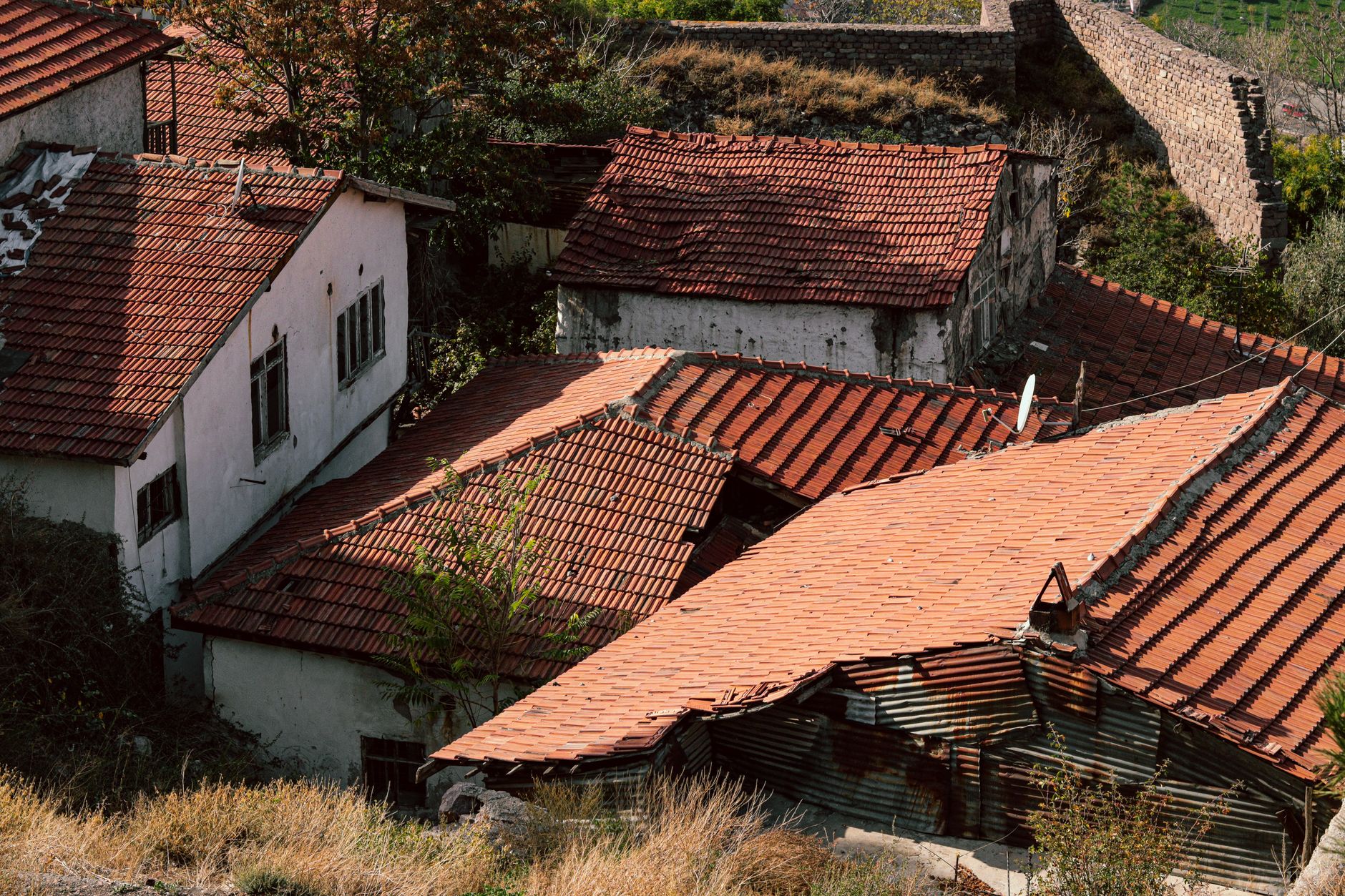
After a hail line moves through Collin County, the knocks start. Some of those doors are knocked by companies that have worked this area for years. Some are knocked by crews that arrived last week and will follow the next storm somewhere else.
Both will hand you a business card. Here is how to tell them apart.

Ask where the company is based, then check
Not where the salesperson lives. Where the business operates from. A local address, a local phone number that a person answers, and a physical presence you could drive to are all meaningful, because a roof warranty is only worth the company standing behind it.
The test is simple: if you have a problem in three years, is there somewhere to call?
Ask who does the work
Many roofing companies subcontract, and that is not automatically a problem. Good subcontracted crews do excellent work. What matters is whether the company takes responsibility for the result. Ask who is on your roof, who supervises, and who you call if something is wrong after the crew leaves.
Get the insurance and licensing in writing
Ask for a certificate of general liability insurance and workers' compensation coverage, and ask for it to come directly from the insurer rather than as a photocopy. If someone is injured on your property and the company is not covered, that becomes your problem.
Understand the two different warranties
There are always two, and they cover different things.
The manufacturer warranty covers the shingles themselves. It is only as good as the installation, and most manufacturers will void it if the roof was not installed to specification.
The workmanship warranty covers the installation, and it comes from the contractor. Ask how long it runs and what it excludes. A workmanship warranty from a company that closes after storm season is a piece of paper.
Be careful about the deductible conversation
If a contractor offers to waive, absorb, or "work around" your insurance deductible, stop there. In Texas that is not a favor, and agreeing to it puts you on the wrong side of the arrangement as well. A company willing to be casual about that will be casual about other things.
Read how the estimate is written
A serious estimate names the scope, the materials by type and color, whether decking is included or priced separately, who pulls the permit, and what the warranty covers. A single number with no detail is not an estimate. It is a bid to be trusted blindly.
The written estimate is the earliest honest signal you get about how a company operates, because it is produced before anyone has your money.
Slow down on the paperwork
Pressure to sign today is the most common sign that something is off. A contingency agreement is a real and normal document in insurance work, but read what you are signing, because some are written so that you owe the company money even if you decide not to proceed. Ask what happens if the claim is denied or if you change your mind.
Any company worth hiring will let you take an afternoon to think.
Ask for local references, recent ones
Not a page of testimonials. Two or three addresses in McKinney, Allen, Frisco, Plano, or wherever you are, from work done in the last year. A company with roots in the area can produce that in a phone call.
The questions worth asking out loud
- How long have you worked in this area?
- Who will be on my roof, and who supervises them?
- Can I get your insurance certificate from your carrier?
- What does your workmanship warranty cover, and for how long?
- Is decking replacement included, and what is the rate if it is needed?
- What happens if my claim is denied?
What this really comes down to
A roof is not a product you inspect after purchase. You will never see most of the work, which means you are not buying shingles. You are buying the judgment of whoever is on the roof and the willingness of the company behind them to come back if something is wrong.
That is worth a few questions before you sign.
If you are weighing estimates and want a second set of eyes on your roof, get in touch and we will take a look.