Metal Roofing in North Texas: Worth the Premium, or Not?
Metal roofing costs two to three times asphalt in North Texas. A straight look at heat performance, hail denting, cosmetic insurance exclusions, and when the payback actually works.
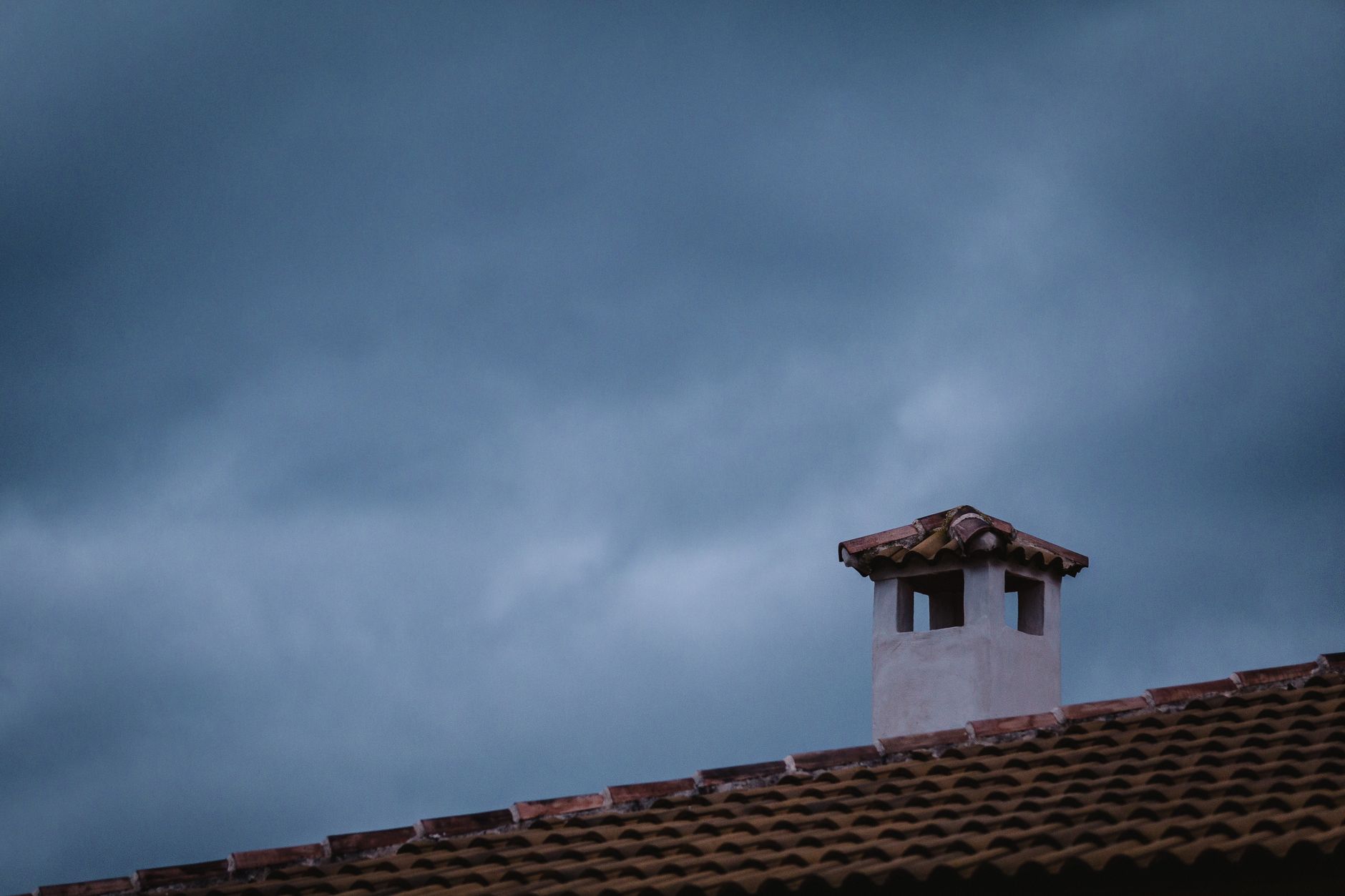
Photo: Elina Volkova / Pexels# Metal Roofing in North Texas: Worth the Premium, or Not?
Metal roofs are a bigger presence in Collin County than they were ten years ago, and homeowners considering one usually hear two things: it lasts forever, and it costs a fortune. Neither is quite right.
Here's a straight comparison for a North Texas home.
## What you're actually choosing between
**Standing seam** panels run vertically with concealed fasteners and raised seams. Nothing penetrates the surface, which is why this is the premium option and the one with the longest service life.
**Exposed-fastener (R-panel or 5V)** screws through the panel face into the structure, with a rubber washer under each screw head. Cheaper, faster to install — and those washers are a maintenance item. In Texas heat they dry out and need attention around the ten-to-fifteen-year mark.
**Metal shingles and stone-coated steel** mimic the look of shingle or tile with metal's durability. A common choice where an HOA has opinions.
## The heat argument is the strongest one
This is where metal earns its keep in Texas specifically.
A reflective metal roof re-emits solar radiation instead of holding it. On a July afternoon in McKinney, the difference in attic temperature between a dark asphalt roof and a light-colored reflective metal one is substantial — enough to show up in a cooling bill through the four hottest months of the year.
The savings are real but not dramatic. Treat it as a meaningful contribution to the payback math, not the whole case.
Metal also doesn't dry out, crack, or shed granules the way asphalt does under sustained UV. The failure modes that shorten an asphalt roof's life here don't apply.
## The hail question — the honest version
Metal handles hail differently than asphalt, not universally better.
**Functionally, it holds up well.** Hail that would crack an asphalt shingle mat usually leaves metal watertight. That's a genuine advantage in a hail corridor.
**Cosmetically, it dents.** Standing seam panels can dimple visibly from large hail while remaining perfectly functional. Whether that bothers you is personal — but it should factor into your insurance conversation, because many Texas policies carry cosmetic damage exclusions on metal roofs. Under those, a dented-but-functional roof isn't a covered claim.
Ask your agent specifically whether your policy has a cosmetic exclusion, and what a metal roof does to your premium, before you commit. Some carriers discount for metal. Some exclude the dents. Find out which yours does.
**Textured and stone-coated products hide denting better** than smooth standing seam, which is worth knowing if you're in a heavy-hail pocket.
## Cost and payback
Metal typically runs two to three times the installed cost of architectural asphalt, varying with panel type, roof complexity, and gauge.
Against that: a properly installed standing seam roof commonly outlives two or three asphalt roofs. If you plan to be in the house twenty-plus years, the math can work. If you're likely to move in seven, it usually doesn't — you'd be buying longevity you won't use, and while metal helps resale, it rarely returns its full premium.
That's the real question with metal. Not "is it better," but "how long are you staying."
## Things people don't think about until later
**Noise.** Modern metal over solid decking with proper underlayment is not loud. Metal over open purlins on a barn is. If someone tells you rain on a metal roof is deafening, they're describing a different assembly.
**It's not a DIY-adjacent material.** Panel expansion, clip spacing, and flashing details are unforgiving. A bad metal install fails in ways a bad shingle install doesn't, and the labor pool experienced with standing seam is smaller than the one that does asphalt.
**HOA approval.** Many Collin County master-planned communities have specific rules on roof material and profile. Check before you order panels.
**Solar later.** If panels are in your future, standing seam is the friendliest surface there is — clamp-on mounting avoids roof penetrations entirely.
## Who should probably say yes
Long-term owners, homes with simple rooflines where standing seam installs cleanly, anyone tired of replacing an asphalt roof every storm cycle, and property owners whose insurance rewards rather than excludes it.
Who should probably stick with asphalt: shorter-term owners, complex cut-up rooflines where metal's labor cost climbs fast, and anyone whose policy carries a cosmetic exclusion in a heavy-hail area.
Blue Ribbon Roofing has installed both across North Texas since 1993 — McKinney, Allen, Plano, Frisco, Prosper, Melissa, and Van Alstyne. We'll tell you when metal is the right call and when it isn't.